
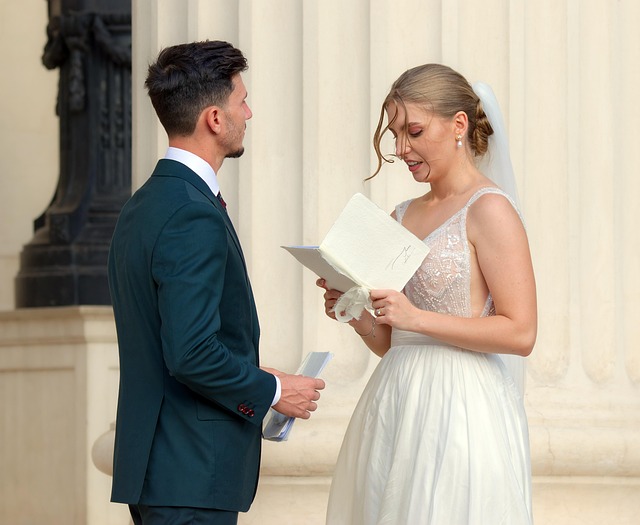



Imagine the excited chatter at a wedding, laughter filling the room, glasses clinking in celebration. The air feels heavy with joy and the scent of flowers. Then, somewhere between the heartfelt speeches and the first beat of music on the dance floor, a quieter conversation begins in the corner. It concerns prenuptial agreements.
“They kill romance,” someone murmurs behind a champagne flute.
“Only for celebrities or the aristocracy,” another laughs dismissively.
These whispers have shaped how prenuptial agreements are viewed for decades. In England and Wales, prenups still carry unnecessary stigma, often misunderstood as pessimistic, unloving, or purely transactional. Yet the reality looks very different. Modern couples increasingly see prenups as tools for clarity, not suspicion, and preparation, not pessimism. The cultural tide is turning, moving away from fear and toward open communication.
This guide exists to gently dismantle the myths that surround prenups and replace them with calm, grounded truth. We will not use legal jargon. We will not use scare tactics. We simply offer honest insight into why so many thoughtful couples now choose prenups as part of building a strong, transparent marriage. Think of this as a conversation, not a contract. It is a dialogue that replaces outdated assumptions with confidence, reassurance, and a clearer view of what prenups actually represent today.
Myth 1: Prenups Mean You’re Planning for Divorce
This is the most common myth, and also the most damaging, as it strikes at the heart of a relationship. Many people assume that discussing a prenup signals doubt about the marriage itself. They worry that by acknowledging the possibility of an end, they are somehow manifesting it. In reality, couples who choose prenups often feel deeply committed to making their relationship work and use the agreement to secure their foundation.
A prenup reflects the same mindset as everyday sensible planning. People insure homes they love dearly. They protect cars they rely on daily. They write wills not because they plan to die tomorrow, but because they care about what happens to their family. None of this means they expect disaster or tragedy. It simply means they understand that life can be unpredictable, and responsible adults prepare for the unknown.
In England and Wales, where financial lives are increasingly complex, a prenup allows couples to move forward without unspoken worries. Instead of avoiding money conversations, they face them early, calmly, and together. This approach removes uncertainty and replaces it with reassurance, allowing love to grow without financial anxiety lurking beneath the surface. When you remove the “what ifs,” you make more room for the “here and now.”
Planning does not weaken commitment; it strengthens it by replacing fear with understanding. By having the difficult conversation now, while you are happy and in love, you essentially effectively “vaccinate” your relationship against future financial misunderstandings. You are telling your partner that you value clarity and fairness enough to put it in writing.
Myth 2: Prenups Are Only for the Rich and Famous
Films and tabloids have done a remarkable job convincing the British public that prenups belong only to the ultra-wealthy. We imagine private jets, sprawling country estates, and high-profile celebrity marriages dissolving in dramatic fashion. But this image no longer reflects reality. The prenup has moved from the tabloids to the terrace house, becoming a practical tool for everyday people.
Today, everyday couples across England and Wales use prenups for very practical reasons. Perhaps one partner has a shared flat deposit saved from years of hard work. Maybe there is a growing pension pot, family gifts, or a small business started in a spare room. Even existing student debts or credit commitments are reasons to talk. These are real, meaningful assets and liabilities that deserve thoughtful planning.
You do not need millions to benefit from financial clarity. In fact, prenups often matter more when resources feel limited, because unexpected financial conflict can have a greater impact on a modest estate. By setting expectations early, couples protect what they have worked hard to build, no matter the scale. It is about protecting your personal history and your future stability, not just protecting a bank balance.
Prenups have quietly become tools for ordinary people who value stability, not status. Whether you are marrying later in life, blending two families, or simply starting out with a modest nest egg, a prenup offers security. It ensures that the assets you bring into the marriage remain acknowledged, regardless of what the future holds.
Myth 3: Prenups Are Unromantic and Kill the Honeymoon Phase
Romance thrives on trust, not assumptions. One of the most overlooked truths about prenups is how often they bring couples closer together. We often view romance as a whirlwind of emotion that shouldn’t be touched by the cold reality of finance. However, true intimacy involves knowing everything about your partner, including their financial anxieties and goals.
Talking openly about money requires vulnerability. It invites honesty about spending habits, future hopes, career plans, and personal fears. These conversations rarely feel cold or transactional when approached with love. Instead, they often create a deeper emotional bond built on transparency. You are stripping away the taboo of money and seeing each other clearly.
Couples who discuss finances early remove one of the most common sources of long-term tension. They begin married life without hidden expectations or quiet resentment. That openness creates emotional safety, which strengthens intimacy long after the honeymoon ends. Nothing kills romance faster than discovering a secret debt or a fundamental clash in financial values three years into a marriage.
A prenup does not replace romance; it protects it from avoidable misunderstandings. It clears the air. By handling the business side of the partnership with maturity, you free up your emotional energy to focus on the fun, romantic, and adventurous sides of your life together. It is a romantic act to say, “I want us to be clear so we can be happy.”
Myth 4: Prenups Don’t Really Matter in England and Wales
Some believe prenups hold no real value and can simply be ignored by a judge. This misunderstanding often stops couples from exploring them at all, believing the paper isn’t worth the ink. While the legal landscape in England and Wales is distinct from the US, the idea that prenups are “useless” is entirely outdated.
While prenups in England and Wales do not function like rigid commercial contracts that bind a court instantly, they still carry meaningful influence. Courts increasingly recognise the intention behind them, especially when both partners have entered the agreement openly, willingly, and with a full understanding of the implications. If an agreement is fair and meets specific standards, judges place significant weight on it.
Beyond formal outcomes, prenups offer something equally important: guidance. They provide a shared reference point during stressful moments, reducing conflict and emotional strain. Many couples never need to rely on them at all, yet still benefit from the clarity they bring. Knowing the document exists acts as a psychological safety net, reminding both parties of what they agreed was fair when they were calm.
Even without courtroom drama, prenups quietly shape calmer, more respectful outcomes. They act as a roadmap. If a relationship does encounter stormy weather, you have already drawn the map for how to navigate it, rather than trying to steer the ship while the storm is raging. It serves as evidence of your mutual respect.
Myth 5: Prenups Only Protect the Wealthier Partner
This myth persists because prenups are often framed as defensive shields used by the rich against the poor. In truth, well-considered prenups protect both partners, and sometimes the less financially secure partner benefits the most. The document is not a weapon; it is a balancing scale designed to ensure neither party is left vulnerable.
A prenup can prevent one person from inheriting debt they did not create. It can recognise unpaid contributions, such as time spent supporting a household or stepping back from a career to raise children. It can also create reassurance for someone entering marriage with fewer financial resources, ensuring they are provided for fairly rather than left to the mercy of standard interpretations.
Rather than creating imbalance, prenups often level the field. They make expectations visible and prevent assumptions from becoming future conflict. Fairness, not advantage, sits at the heart of modern prenups. A good agreement looks at the partnership as a whole and asks how can a couple make sure that both of them are okay?
Protection works best when it flows in both directions. The partner with less money gains the security of knowing exactly where they stand, rather than worrying about being cut off. The partner with more assets gains the security of knowing their partner loves them for who they are, not what they have. Both sides win when transparency leads the way.
Myth 6: Prenups Control Every Part of Married Life
Some people imagine prenups as draconian rulebooks governing daily behaviour. They fear clauses about who washes the dishes, how often the in-laws visit, or what weight a partner must maintain. This misconception often makes them seem intrusive, controlling, or even abusive. This is a fundamental misunderstanding of what a valid UK prenup does.
In reality, prenups focus on financial understanding, not personal choices. They do not dictate emotions, routines, or personal values. They exist to clarify how finances interact with the relationship, not how the relationship itself should function. Legitimate prenups in England and Wales concern themselves with assets, property, and income, not lifestyle management.
Understanding this limitation actually strengthens prenups. When couples keep the focus on money and future planning, the agreement remains grounded, relevant, and respectful of personal autonomy. It ensures that the document remains a tool for financial hygiene, not a mechanism for one partner to exert power over the other’s daily life.
Prenups work best when they support life, not micromanage it. They are there to answer the big questions about the house, the savings, and the inheritance. They are not there to tell you how to live your Tuesday evenings. By separating financial clarity from personal control, the prenup becomes a liberator rather than a jailor.
The Real Power of Prenups: Financial Clarity Without Fear
Once the myths fade, a clearer picture emerges. Prenups offer something deeply valuable: calm financial clarity at the beginning of a marriage. In a world that often feels chaotic, establishing a zone of certainty within your relationship is a profound gift. It is about building a sanctuary where money issues are not allowed to fester.
Money remains one of the leading sources of relationship stress. Unspoken assumptions can quietly build pressure over time. One partner might assume they will merge all accounts; the other might assume they will keep things separate. Prenups bring those assumptions into the open before they cause harm. They force the conversation that everyone needs to have but few want to start.
By encouraging honest discussion, prenups allow couples to align expectations early. They replace guesswork with understanding and anxiety with confidence. This clarity frees emotional energy for connection, growth, and shared dreams. You stop wondering if you are on the same page because you have actually written the page together.
When finances feel settled, relationships often feel lighter. There is a specific kind of relief that comes from knowing the difficult topics are handled. It allows you to move into the celebration of your marriage with a lighter heart, knowing that you have looked after each other’s futures in a very practical, adult way.
Everyday Couples, Real Benefits Across England and Wales
Prenups are not theoretical tools. They quietly support thousands of real couples navigating modern relationships. We see them used by young professionals in London buying their first flat, and by farmers in Wales protecting land that has been in the family for generations. They are as diverse as the people who sign them.
From first marriages to blended families, from city professionals to rural homeowners, prenups help people enter marriage with eyes open and hearts calm. They allow couples to protect family ties, personal achievements, and future plans without suspicion or defensiveness. A parent entering a second marriage can protect their children’s inheritance while still providing for their new spouse.
These stories rarely make headlines, yet they reflect a growing cultural shift. Prenups no longer signal doubt. They signal emotional maturity and mutual respect. They show that a couple is realistic about the world but optimistic about their love. They demonstrate a willingness to tackle hard things together.
Choosing clarity has become an act of confidence. It says, “We are strong enough to talk about this.” It reframes the narrative from one of preparation for an end, to one of preparation for a successful, honest, and open beginning. It is a hallmark of a modern, equal partnership.
Creating a Prenup Mindset, Not Just a Document
The greatest value of a prenup often lies in the process, not the paperwork. Conversations that happen along the way build understanding that lasts long after the agreement is signed. The act of sitting down, looking at the numbers, and asking “What is fair?” is an exercise in empathy and teamwork.
Couples who approach prenups thoughtfully tend to communicate more openly in other areas of life. They learn how to discuss difficult topics without fear or blame. That skill becomes invaluable throughout marriage. If you can navigate a conversation about assets and debts with kindness, you can navigate almost anything life throws at you.
Viewed this way, prenups become part of relationship growth rather than a precaution against failure. They are a milestone, much like buying a house or having a child. They represent a deepening of the bond, a moment where you decide to be fully transparent with another human being.
Preparation becomes partnership. You are not just signing a document; you are agreeing on a shared vision of fairness. You are demonstrating that you care about your partner’s security as much as your own. That mindset is the bedrock of a lasting, happy marriage.
No. Many couples never rely on their prenup directly, yet still benefit from the clarity it provides throughout their relationship. The peace of mind that comes from having a plan can reduce daily financial stress, making the marriage itself happier and more relaxed.
Quite the opposite. They require honesty, transparency, and trust from both sides. To create a fair agreement, you have to be completely open about what you have and what you fear. That level of openness requires a deep foundation of trust.
It can feel unfamiliar at first, but most couples find the conversation becomes easier once they begin speaking openly. Once you break the ice, the tension usually dissipates, replaced by a sense of productive teamwork. It transforms from an “awkward chat” to a “life planning session.”
Yes. Modern relationships, blended families, and complex finances have made prenups increasingly relevant. As people marry later or bring their own assets into a union, the “one size fits all” approach of standard law fits fewer and fewer couples.
Many couples revisit financial conversations as life evolves, keeping expectations aligned with reality. A review clause is often included to ensure the agreement remains fair if you have children, receive an inheritance, or if your circumstances change significantly.
Letting Go of Myths and Choosing Clarity
Prenups have carried too much misunderstanding for too long. When stripped of outdated myths, they reveal something far more positive: a tool for honesty, respect, and thoughtful partnership. We need to stop viewing them through the lens of old movies and start viewing them through the lens of modern mental health and relationship stability.
Choosing a prenup does not mean doubting love. It means believing in it enough to protect it with clarity. It means entering marriage with confidence instead of assumptions, and calm instead of uncertainty. It is about taking responsibility for your shared future and ensuring that kindness and fairness are baked into your relationship from day one.
Modern love deserves modern conversations. When myths fall away, prenups stop feeling intimidating and start feeling empowering. They become just another way to say “I care about us.” They allow you to close the door on financial anxiety and open the door to a future built on total honesty.
Your future does not need fear. It needs understanding. By embracing the clarity that a prenup offers, you are giving your marriage the strongest possible foundation. You are choosing to write your own rules, defined by fairness and love, rather than leaving your future to chance.